Two Years, Two Firsts: What India’s Back-to-Back International Booker Runs Reveal
In 2025 a Kannada story collection won the International Booker Prize for the first time ever. In 2026 an Indian-origin translator was shortlisted again — this time for a Brazilian novel. Together, the two years tell a bigger story about who gets to carry Indian literary sensibility onto the world stage.
Image: Pixnio (public domain)
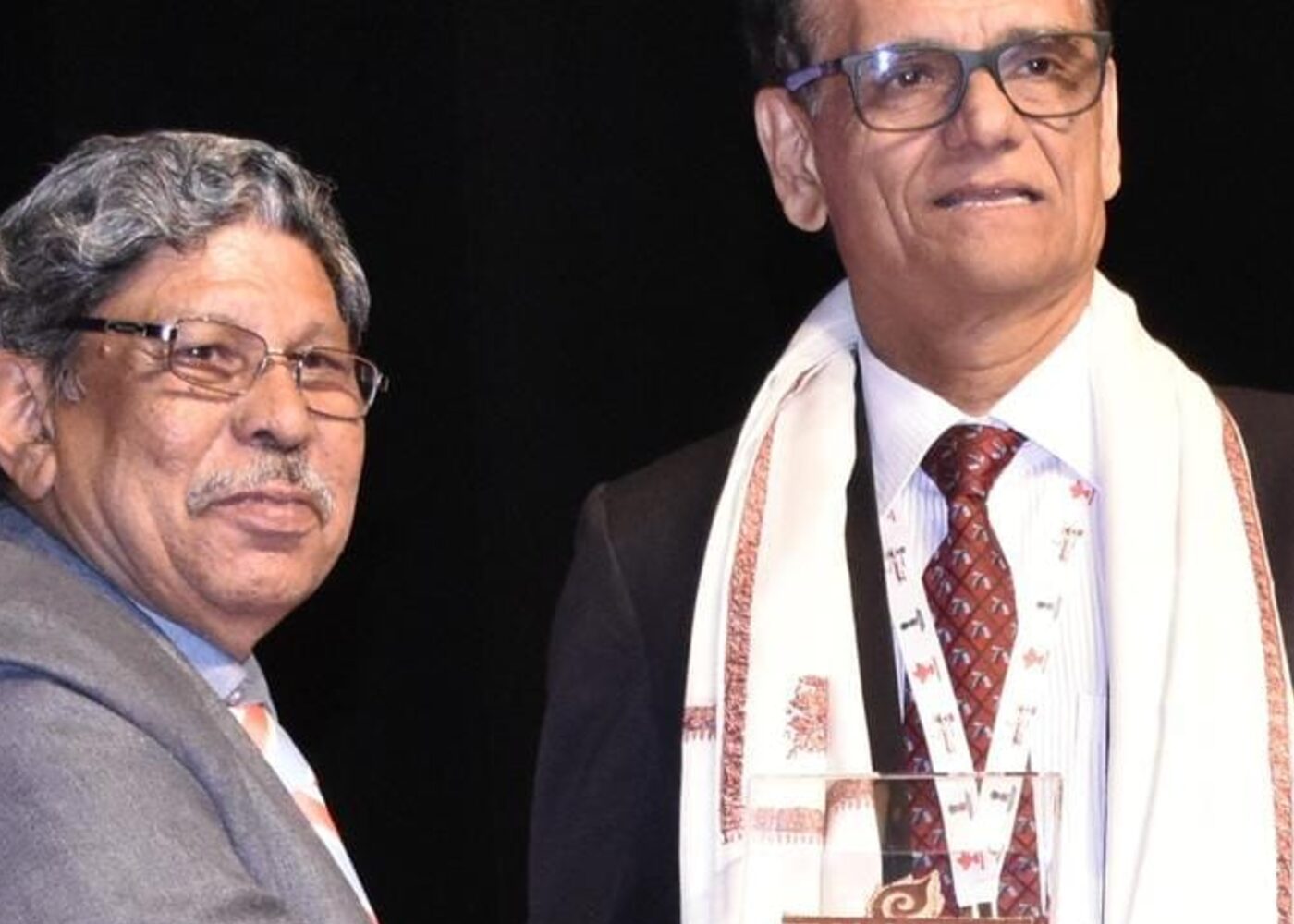
On 20 May 2025, Heart Lamp by Kannada writer Banu Mushtaq, translated by Deepa Bhasthi, won the International Booker Prize — a double first. It was the first work translated from Kannada ever shortlisted, let alone to win, and the first short-story collection to take the prize in its history. Mushtaq's twelve stories, written over three decades, follow the everyday lives of Muslim women in southern India; Bhasthi's translation was praised by the judges for what they called a “radical” approach that let Kannada's rhythms sit inside English rather than smoothing them away.
Almost exactly a year later, the prize circled back toward India from an unexpected angle. Padma Viswanathan, a Canadian-American writer and translator of Indian origin whose own debut novel drew on her Tamil heritage, was shortlisted for the International Booker Prize 2026 — not for translating an Indian language, but for her English translation of Brazilian author Ana Paula Maia's Portuguese-language novella, On Earth As It Is Beneath. The 2026 prize ultimately went to Taiwan Travelogue by Yáng Shuāng-zǐ, translated by Lin King, announced at London's Tate Modern on 19 May 2026. Viswanathan didn't win, but her presence on the shortlist marked something quieter and, we think, just as telling.
Read side by side, the two years sketch two different routes by which Indian literary sensibility reaches a global stage. One route runs outward: a regional Indian language, carried into English by a translator working hard not to flatten it. The other runs through a translator of Indian heritage working inward, into an entirely different literature — proof that the skill of translation, once trained on one's own linguistic inheritance, travels. Both are forms of the same labour that Antare Kala's Sahitya pillar exists to take seriously: a story only survives as far as someone is willing to carry it, carefully, into another tongue.
A translator's name on a shortlist is a map of which languages the world is finally willing to read closely.
What we'll be watching next: whether Heart Lamp's win changes how Indian publishers commission English translations of regional-language fiction — commissioning translators earlier in a book's life, rather than years after a language's own readers have already moved on.
Sources & Credits
- The Booker Prizes — Official International Booker Prize 2025 and 2026 announcements, shortlists and winner coverage
- Press and literary coverage — Reporting on Padma Viswanathan's shortlisting and Heart Lamp's win
This is a desk report on public, verifiable developments — official announcements, award lists, festival programming and GI/UNESCO records. No individual is quoted here who has not made that statement publicly. Antare Kala's artist profiles, a separate and forthcoming content type, will carry direct interviews and consultation, per our editorial commitment: every artist we feature is credited, contacted, and consulted.