The Last Tarpa Player: A Padma Shri for an Instrument Few Can Still Play
Bhiklya Ladakya Dhinda, a Varli tribal musician from Maharashtra, received the Padma Shri 2026 for a lifetime spent keeping the five-foot-tall Tarpa wind instrument — and the harvest traditions built around it — alive.
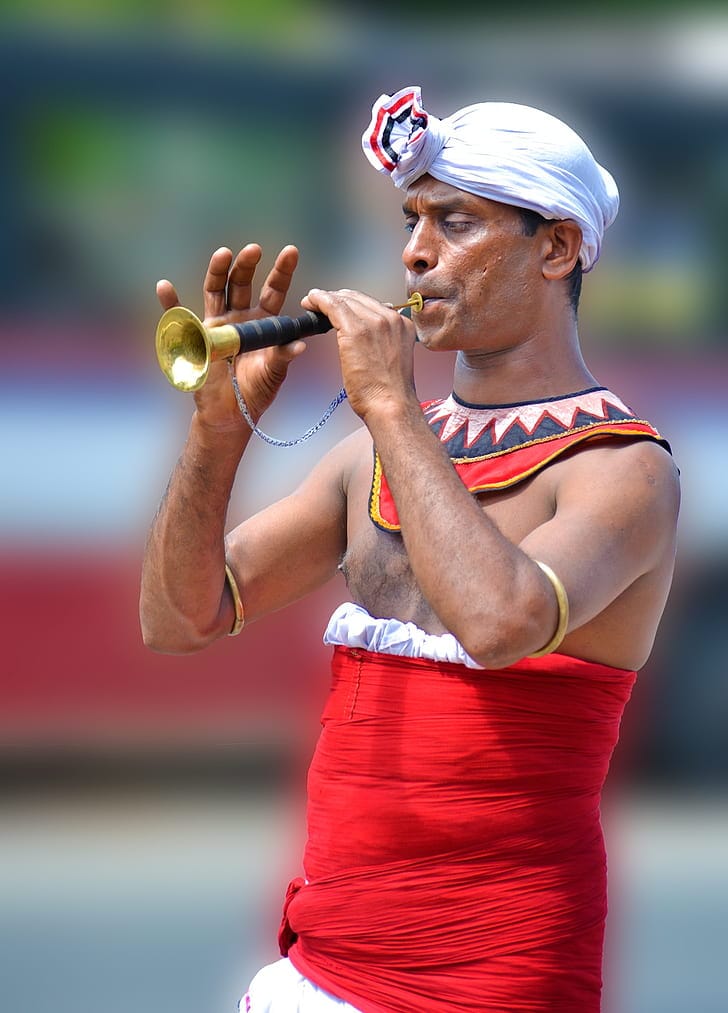
Image: PickPik (representative image)
Among the recipients of the Padma Shri 2026, announced on the eve of Republic Day, was Bhiklya Ladakya Dhinda, a tribal folk musician from the Varli community in Maharashtra, honoured in the award's “unsung heroes” category as the only living master of the Tarpa — a wind instrument close to five feet tall, played by blowing through a gourd mouthpiece into a long curved horn, traditionally central to Varli harvest festivals and ritual dance.
The Tarpa is not an easy instrument to simply pick up: its length and breath control demand years of apprenticeship, and as farming communities urbanise and festival calendars shrink, the circle of people willing to put in that apprenticeship has narrowed with each generation. Dhinda's recognition arrived in a category the Padma Awards created specifically to find practitioners like him — artists whose work rarely reaches a stage outside their own community, let alone a national one.
This is precisely the gap Antare Kala's Lok Parampara pillar exists to close: a craft can be centuries old, deeply woven into a community's seasonal and ritual life, and still remain entirely invisible to a national audience until a single formal honour makes it legible. A Padma Shri does not, by itself, train a successor. What it does is put a name and a face to an instrument that most of India had simply never heard of.
An ‘unsung hero’ category exists because some traditions survive on a single pair of lungs — and a nation only notices once there's a real risk of losing them.
What we'll be watching next: whether this recognition translates into any formal apprenticeship or documentation programme for the Tarpa, rather than remaining a one-time honour with no mechanism to pass the instrument on.
Sources & Credits
- Padma Awards, Government of India — Official 2026 Padma Shri citation and category listings
- Ministry of Tribal Affairs and press coverage — Reporting on Bhiklya Ladakya Dhinda and the Tarpa tradition
This is a desk report on public, verifiable developments — official announcements, award lists, festival programming and GI/UNESCO records. No individual is quoted here who has not made that statement publicly. Antare Kala's artist profiles, a separate and forthcoming content type, will carry direct interviews and consultation, per our editorial commitment: every artist we feature is credited, contacted, and consulted.