India Returns to Venice After Seven Years, Asking What “Home” Means Now
After a seven-year absence, India's National Pavilion returned to the Venice Biennale in 2026 with five artists exploring memory, material and what remains when home transforms or disappears.
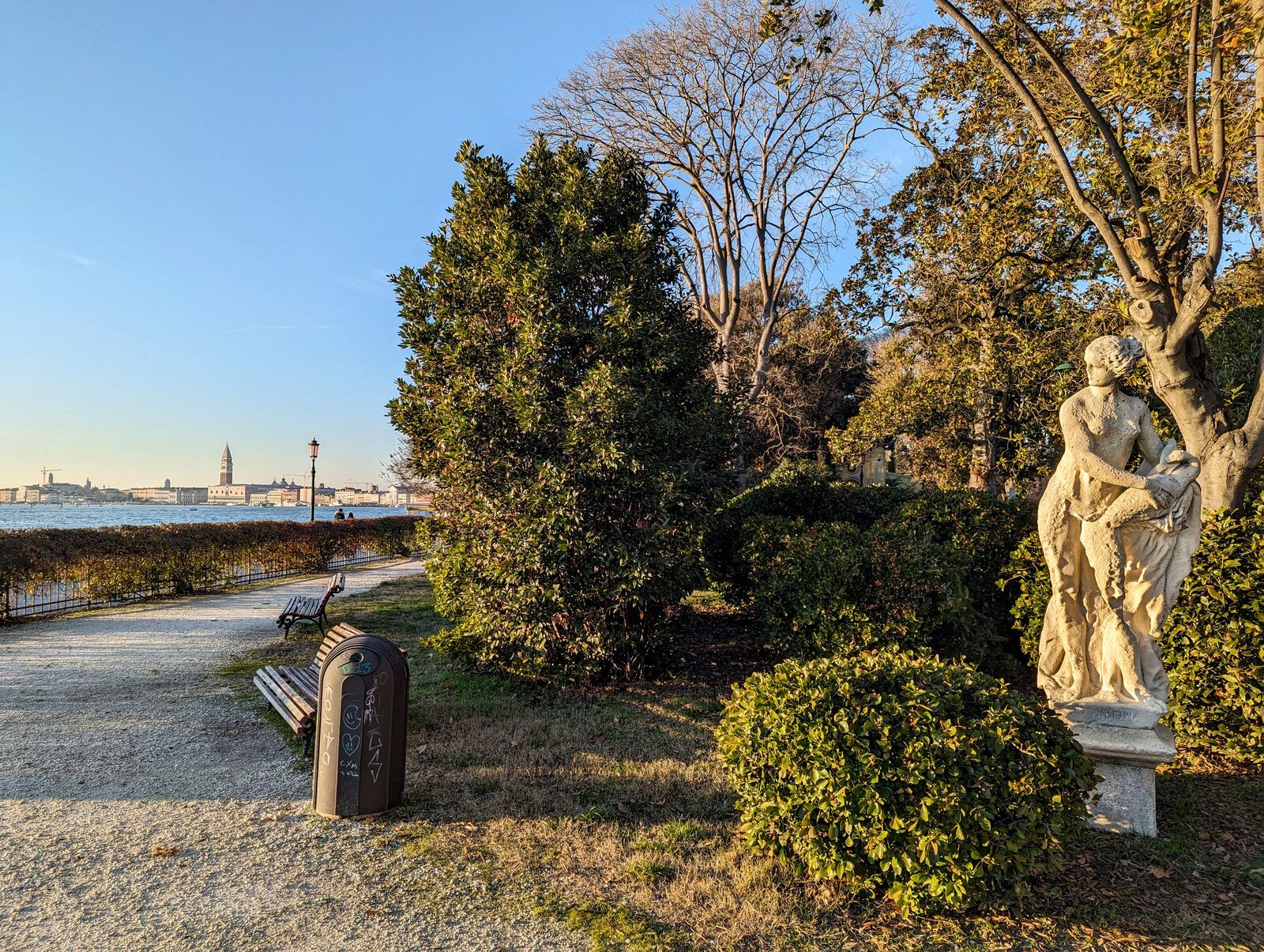
Image: CityScrolls
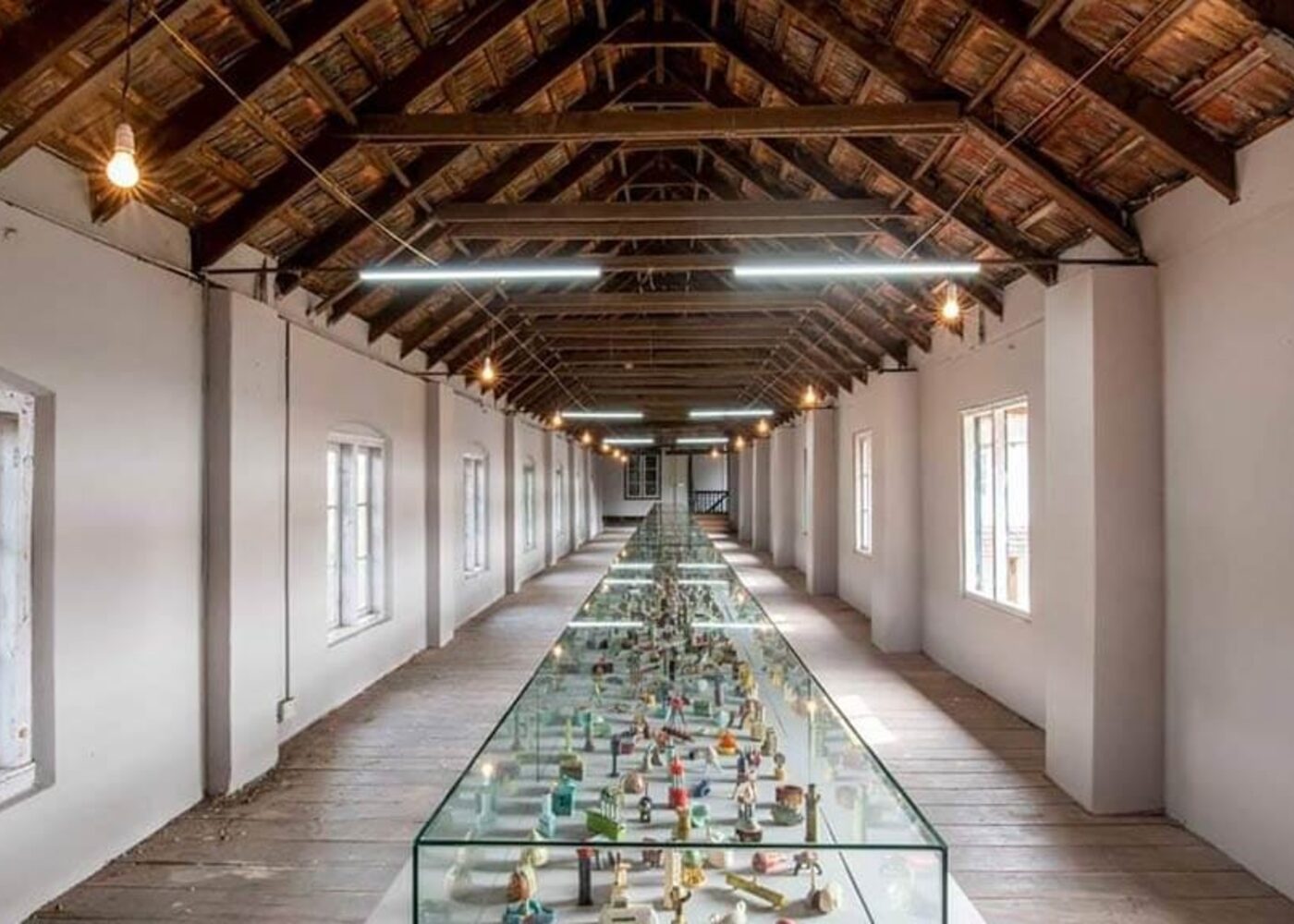
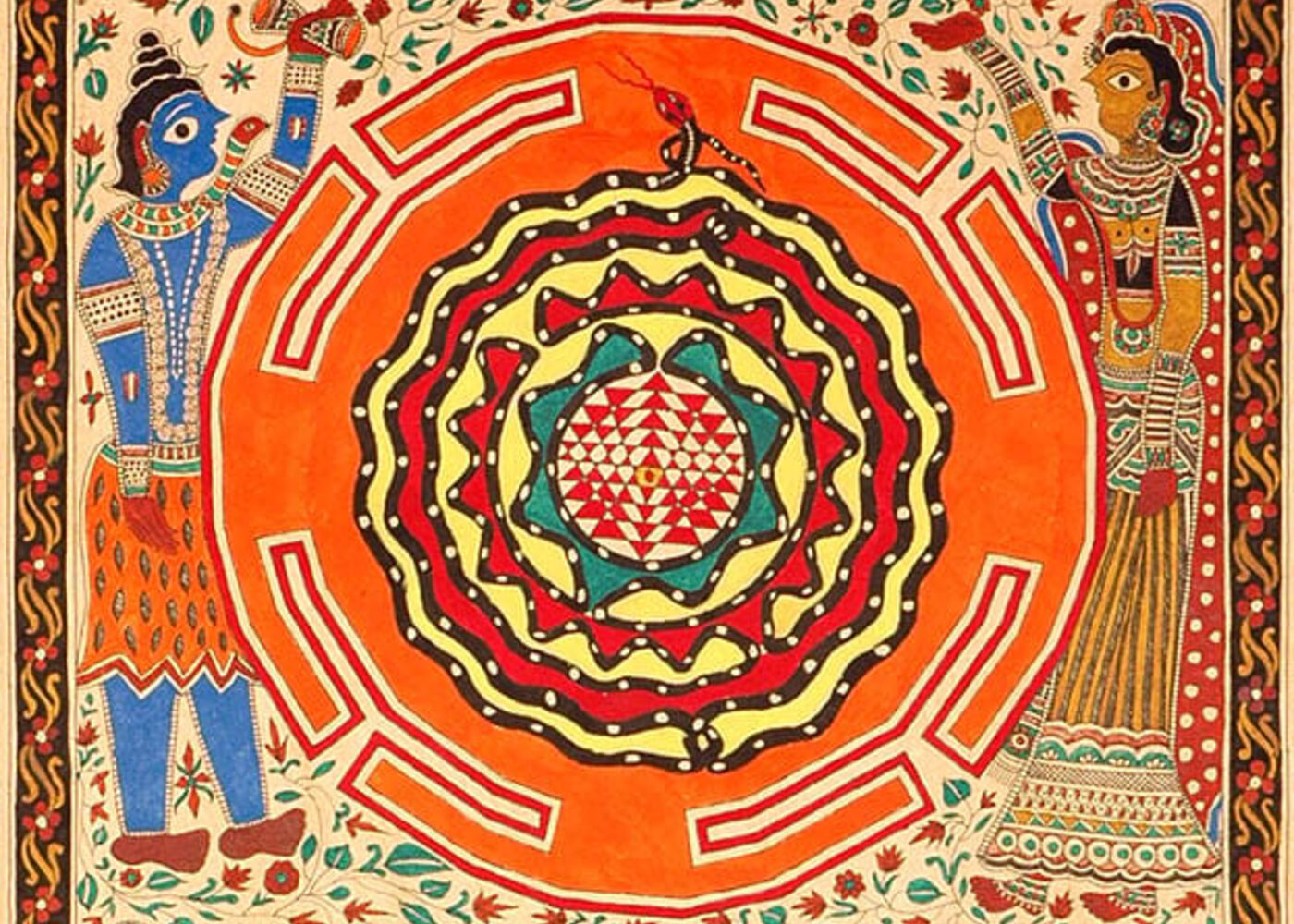
For the first time since 2019, India has a National Pavilion at the Venice Biennale, the world's oldest and most closely watched contemporary art exhibition. Titled Geographies of Distance: Remembering Home, the pavilion opened on 9 May 2026 and runs through 22 November, presented by the Ministry of Culture and curated by Dr. Amin Jaffer, himself a child of the Indian diaspora.
Five artists make up the show: Alwar Balasubramaniam, Asim Waqif, Ranjani Shettar, Skarma Sonam Tashi and Sumakshi Singh — each working from a different material tradition rooted in India, from woodwork to textile to found construction debris, to ask what persists when a place a person calls home is transformed, demolished or simply left behind by the speed of a country urbanising faster than its memory can keep pace.
What makes the pavilion notable beyond its roster is the gap it closes: seven years is a long time for a country of India's cultural scale to be missing from a stage that smaller nations rarely skip. The return signals renewed institutional appetite for placing contemporary Indian art — not folk or classical art, but art engaging urgently with the present — inside the same international conversation Antare Kala's Kala pillar tries to document at home: craft and memory are not opposites, they are often the same material worked at different scales.
A pavilion titled ‘remembering home’ is really asking whether a country changing this fast can still agree on what home looked like.
What we'll be watching next: whether India commits to a pavilion at every future Biennale, rather than treating participation as an occasional, curator-dependent event — a consistency several smaller nations have managed for decades.
Sources & Credits
- La Biennale di Venezia — Official Biennale Arte 2026 pavilion listings and programme
- Ministry of Culture, Government of India — India Pavilion press materials and curator statements
This is a desk report on public, verifiable developments — official announcements, award lists, festival programming and GI/UNESCO records. No individual is quoted here who has not made that statement publicly. Antare Kala's artist profiles, a separate and forthcoming content type, will carry direct interviews and consultation, per our editorial commitment: every artist we feature is credited, contacted, and consulted.